




What is the thermal conductivity of carbon fiber fabric?
Jan 05, 2026
Leave a message
Hey there! As a Carbon Fiber Fabric supplier, I often get asked about the thermal conductivity of carbon fiber fabric. So, I thought I'd write up a blog post to share some insights on this topic.
First off, let's talk about what thermal conductivity actually means. In simple terms, thermal conductivity is a measure of how well a material can conduct heat. A material with high thermal conductivity can transfer heat quickly, while a material with low thermal conductivity is a poor heat conductor and can act as an insulator.
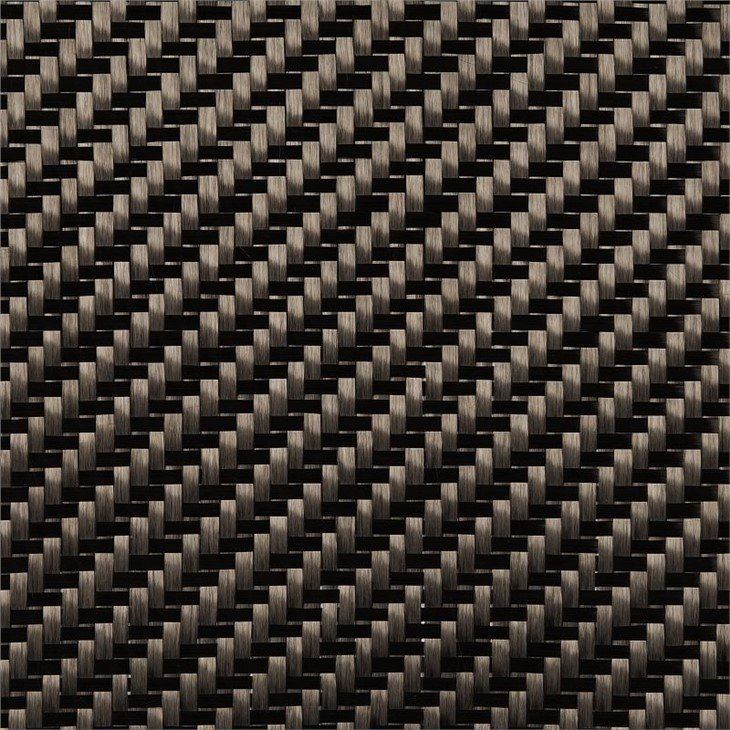
Carbon fiber fabric is made up of carbon fibers that are woven together. These carbon fibers are known for their high strength - to - weight ratio, but what about their thermal properties? Well, the thermal conductivity of carbon fiber fabric can vary depending on a few factors.
One of the main factors is the type of carbon fibers used. There are different grades of carbon fibers, and each grade has its own unique properties. High - modulus carbon fibers, for example, tend to have higher thermal conductivity compared to standard - modulus carbon fibers. This is because high - modulus fibers have a more ordered atomic structure, which allows heat to be transferred more easily through the material.
Another factor that affects the thermal conductivity of carbon fiber fabric is the fabric's structure. The way the carbon fibers are woven can impact how heat moves through the fabric. A tightly woven fabric may have different thermal conductivity characteristics compared to a loosely woven one. In a tightly woven fabric, the fibers are closer together, which can provide more pathways for heat transfer. On the other hand, a loosely woven fabric may have more air gaps, which can act as insulators and reduce the overall thermal conductivity.
The orientation of the carbon fibers also plays a role. If the fibers are aligned in a particular direction, heat will conduct more easily along that direction. This is known as anisotropic thermal conductivity. For instance, if you have a carbon fiber fabric where the fibers are all aligned horizontally, heat will transfer more efficiently horizontally than vertically.
Now, let's get into some numbers. The thermal conductivity of carbon fiber fabric typically ranges from about 1 - 10 W/(m·K). To put this into perspective, metals like copper have a thermal conductivity of around 400 W/(m·K), which is much higher. This means that carbon fiber fabric is not as good at conducting heat as metals, but it's still better than many other non - metallic materials.
So, where does this property of carbon fiber fabric come in handy? Well, in many industries, actually. In the aerospace industry, carbon fiber fabric is used in components where heat management is important. The relatively low but controllable thermal conductivity of carbon fiber fabric can help in designing parts that can withstand high - temperature environments without overheating. For example, it can be used in heat shields or in areas near engines where heat needs to be dissipated in a specific way.
In the automotive industry, carbon fiber fabric is used in high - performance vehicles. It can be incorporated into parts like brake components or engine covers. The thermal conductivity of the fabric helps in managing the heat generated during operation, which can improve the overall performance and longevity of the parts.

In the electronics industry, carbon fiber fabric can be used in heat sinks or in the enclosures of electronic devices. It can help in dissipating the heat generated by the electronic components, preventing overheating and ensuring the proper functioning of the devices.
If you're interested in learning more about carbon fiber fabric and its applications, you can check out Carbon Fiber Fabric Reinforced Composites. This page provides detailed information about how carbon fiber fabric is used in composite materials.
We also offer Light Weight Para Aramid Bullet Proof Inherent FR Durable Cut Resistant Fabric, which has its own unique set of properties and applications. And if you're looking for a specific type of carbon fiber fabric, our Black Colour 3K Hexagonal Carbon Fiber Fabric might be just what you need.
As a supplier, I understand that every customer has different requirements. Whether you need carbon fiber fabric with a specific thermal conductivity, a particular weave pattern, or a certain color, we can work with you to find the right solution.
If you're in the market for carbon fiber fabric, I encourage you to reach out. We can have a detailed discussion about your project, and I can provide you with samples and quotes. Our team is always ready to assist you in making the best choice for your needs.
In conclusion, the thermal conductivity of carbon fiber fabric is an important property that can be tailored to suit different applications. By understanding the factors that affect it, you can make informed decisions when it comes to using carbon fiber fabric in your projects. So, don't hesitate to get in touch if you have any questions or if you're ready to start a procurement process.
References:
- "Carbon Fiber Reinforced Polymers: Design and Manufacturing" by David Hull and T. W. Clyne
- "Handbook of Composites" edited by L. J. Broutman and R. H. Krock
Send Inquiry