




How to choose the right grade of Kevlar fabric for a specific application?
Apr 22, 2026
Leave a message
Kevlar fabric, known for its exceptional strength-to-weight ratio, high modulus, and resistance to heat and abrasion, has become a staple material in various industries. As a leading Kevlar fabrics supplier, I understand the importance of choosing the right grade of Kevlar fabric for specific applications. This blog post aims to provide you with insightful guidance on making the correct selection, ensuring that your projects benefit from the optimal performance of Kevlar.
Understanding Kevlar Fabric Grades
Kevlar fabrics come in different grades, each tailored to meet specific requirements in terms of strength, durability, and functionality. The grades are primarily determined by factors such as fiber thickness, weave pattern, and treatment processes.
- Fiber Thickness: The thickness of Kevlar fibers is measured in denier. A higher denier value indicates thicker fibers, which generally translate to greater strength and durability. For instance, the High Strength Bulletproof 1500d Plain Kevlar Aramid Fiber Fabric with a 1500-denier fiber offers superior strength compared to lower-denier options, making it suitable for high-stress applications.
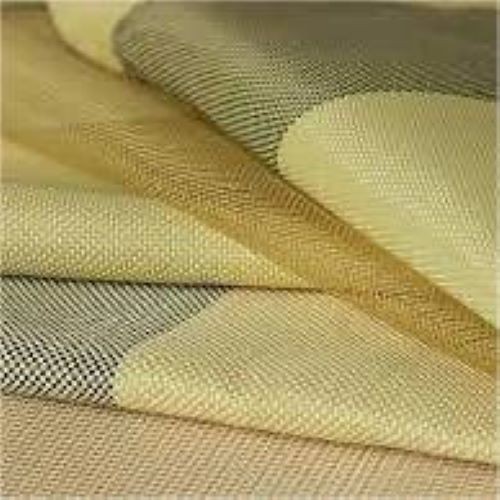
- Weave Pattern: The weave pattern significantly affects the fabric's properties. Common weave patterns include plain weave, twill weave, and satin weave. Plain weave fabrics are known for their high strength and stability, while twill weaves offer better flexibility and drapability. Satin weaves, on the other hand, provide a smooth and lustrous surface.
- Treatment Processes: Some Kevlar fabrics undergo special treatments to enhance their performance. For example, fire-resistant treatments can make the fabric suitable for applications where flame resistance is critical. The Permanent Fire-resistant Aramid Fabric is treated to provide long-lasting protection against flames.
Choosing the Right Grade for Specific Applications
1. Ballistic Protection
In the field of ballistic protection, such as body armor and vehicle armoring, the choice of Kevlar fabric grade is crucial. High-denier fabrics with a plain weave pattern are typically preferred due to their superior strength and ability to absorb and disperse the energy of a bullet or shrapnel. The High Strength Bulletproof 1500d Plain Kevlar Aramid Fiber Fabric is an excellent choice for this application, as it offers a high level of ballistic resistance while maintaining a relatively lightweight profile.

2. Industrial Applications
In industrial settings, Kevlar fabrics are used for a variety of purposes, including conveyor belts, gaskets, and hoses. For conveyor belts, a fabric with high abrasion resistance and strength is required to withstand the constant friction and stress. A medium- to high-denier Kevlar fabric with a twill or plain weave can provide the necessary durability. In the case of gaskets and hoses, flexibility and chemical resistance may also be important factors. Fabrics with special coatings or treatments can enhance these properties.
3. Automotive Industry
In the automotive industry, Kevlar fabrics are used for applications such as brake pads, tires, and seat belts. For brake pads, a high-friction Kevlar fabric can improve stopping performance and reduce wear. A fabric with a specific weave and treatment to enhance friction coefficients would be ideal. In the case of tires, Kevlar can be used to reinforce the sidewalls, providing increased strength and durability. A fabric with a suitable denier and weave pattern can be selected based on the specific requirements of the tire design. Seat belts made from Kevlar offer superior strength and can withstand high tensile forces, ensuring the safety of passengers.
4. Clothing and Textiles
Kevlar fabrics are also increasingly being used in the clothing and textile industry. The 1000D Kevlar Fabric for Clothing is a popular choice for making protective clothing, such as motorcycle jackets, gloves, and cut-resistant workwear. The relatively lower denier of 1000d provides a good balance between strength and comfort, allowing the fabric to be flexible and breathable. Additionally, the fabric can be treated to improve its moisture-wicking properties, making it more comfortable to wear in different environments.
Considerations When Making a Choice
- Performance Requirements: Clearly define the performance requirements of your application, such as strength, durability, fire resistance, and flexibility. This will help you narrow down the suitable grades of Kevlar fabric.
- Cost: While Kevlar fabrics offer excellent performance, they can be relatively expensive compared to other materials. Consider your budget and weigh the cost against the benefits when making a decision.
- Compatibility: Ensure that the selected Kevlar fabric is compatible with other materials and components in your application. For example, if you are using the fabric in a composite structure, it should bond well with the resin or other substrates.
- Regulatory Compliance: In some industries, there may be specific regulations and standards regarding the use of materials. Make sure that the chosen Kevlar fabric meets all the relevant regulatory requirements.
Contact Us for Further Assistance
Choosing the right grade of Kevlar fabric for your specific application can be a complex process. As a trusted Kevlar fabrics supplier, we have the expertise and experience to help you make the best decision. Our team of professionals is ready to assist you in selecting the most suitable fabric based on your requirements. Whether you need high-strength ballistic protection or comfortable protective clothing, we can provide you with the right solution.
If you are interested in learning more about our Kevlar fabrics or would like to discuss your specific needs, please feel free to contact us. We look forward to the opportunity to work with you and help you achieve your project goals.
References
- "Advanced Fibers for Composite Materials" by John W. S. Hearle
- "Ballistics: Theory and Design of Guns and Ammunition" by Robert W. Woodring
- "Textile Science and Engineering" by Subrata Maiti
Send Inquiry