




How does Kevlar Mesh Fabric compare to carbon fiber in terms of properties?
Dec 15, 2025
Leave a message
Hey there! As a supplier of Kevlar Mesh Fabric, I've often gotten questions about how it stacks up against carbon fiber. Both materials have their own unique features, and understanding their differences can be super helpful, whether you're in the manufacturing industry, into DIY projects, or just a curious tech enthusiast. So, let's dive right in and compare Kevlar Mesh Fabric to carbon fiber in terms of their properties.
Strength and Durability
First off, let's talk about strength. Carbon fiber is well - known for its high tensile strength. It's incredibly strong when pulled in a straight line, which makes it a top choice for applications where you need to resist stretching forces, like in aerospace components and high - performance sports equipment. For example, in the construction of racing cars, carbon fiber parts can withstand the intense forces generated during high - speed maneuvers.
On the other hand, Kevlar Mesh Fabric has a different kind of strength. It's extremely resistant to abrasion and cutting. Kevlar is made up of long, strong chains of molecules that give it excellent toughness. This makes it ideal for applications where protection against sharp objects or wear and tear is crucial. For instance, 200g Plian Kevlar Ballistic Fabric is commonly used in body armor because it can stop bullets and sharp projectiles. It's also used in gloves for workers in industries like glass manufacturing or metalworking, where they're constantly exposed to sharp edges.
In terms of durability, both materials are long - lasting, but in different ways. Carbon fiber can be brittle under certain conditions. If it's subjected to sudden impacts or stress concentrations, it might crack or break. Kevlar, however, is more flexible and can absorb energy from impacts without shattering. This makes Kevlar a better choice for applications where there's a risk of impact, like in motorcycle riding gear or protective covers.
Weight
Weight is another important factor when comparing these two materials. Carbon fiber is famous for being lightweight. It has a very high strength - to - weight ratio, which means you can get a lot of strength without adding much weight. This is a huge advantage in industries where every gram counts, such as aviation. Airplanes made with carbon fiber components can be more fuel - efficient because they're lighter, which in turn reduces operating costs.
Kevlar Mesh Fabric is also relatively lightweight, but it's not as light as carbon fiber. However, its weight is offset by its other properties. The extra weight can be a small price to pay for the excellent protection and durability it offers. For example, in bulletproof vests, the added weight of Kevlar is a trade - off for the life - saving protection it provides.
Chemical Resistance
When it comes to chemical resistance, the two materials have different profiles. Carbon fiber is generally resistant to many chemicals, including acids and alkalis. This makes it suitable for use in chemical processing plants or in the construction of storage tanks for corrosive substances. However, it can be affected by some strong oxidizing agents over time.
Kevlar, on the other hand, has good resistance to a wide range of chemicals, but it's particularly resistant to organic solvents. This property makes it useful in applications where exposure to solvents is common, such as in the printing industry or in the manufacturing of certain types of adhesives. Aramid Material, which includes Kevlar, can maintain its integrity even when in contact with these substances.
Thermal Properties
Thermal properties are also worth considering. Carbon fiber has a relatively low thermal expansion coefficient. This means that it doesn't expand or contract much when the temperature changes. This is a great advantage in applications where dimensional stability is important, like in precision instruments or in the construction of satellites, where extreme temperature variations are common.
Kevlar has good heat resistance. It can withstand high temperatures without melting or losing its strength quickly. This makes it suitable for use in fire - resistant clothing or in applications where there's a risk of exposure to high - temperature sources, such as in the automotive industry for engine insulation.
Electrical Conductivity
Carbon fiber is electrically conductive. This property can be both an advantage and a disadvantage depending on the application. In some cases, like in electronic shielding, its conductivity can be used to redirect electromagnetic waves. However, in other applications where electrical insulation is required, it can be a problem.
Kevlar Mesh Fabric is an insulator. It doesn't conduct electricity, which makes it a great choice for applications where electrical safety is a concern. For example, Kevlar Fabric For Windows can be used in buildings to provide protection without the risk of electrical conduction.
Cost
Cost is always a factor in any material selection. Carbon fiber is generally more expensive than Kevlar. The production process of carbon fiber is complex and energy - intensive, which drives up the cost. This makes it less accessible for some applications where cost is a major constraint.
Kevlar, while still relatively expensive, is more cost - effective in many cases. Its versatility and wide range of applications make it a good value for money, especially when you consider the long - term benefits of its durability and protection.
Applications
The differences in properties between Kevlar Mesh Fabric and carbon fiber lead to different applications. Carbon fiber is widely used in high - end sports equipment, such as tennis rackets, bicycles, and golf clubs. It's also a staple in the aerospace and automotive industries for parts like wings, body panels, and engine components.
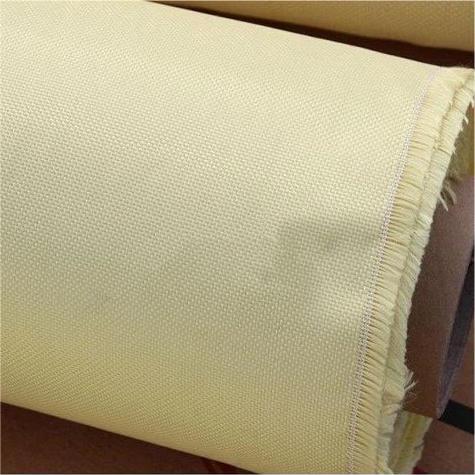

Kevlar, on the other hand, is used in protective gear, including body armor, helmets, and gloves. It's also used in the marine industry for boat sails and in the construction industry for reinforcement in concrete structures.
So, which one should you choose? Well, it depends on your specific needs. If you need high tensile strength and dimensional stability at a relatively low weight, carbon fiber might be the way to go. But if you're looking for protection against abrasion, cutting, and impacts, or need electrical insulation, Kevlar Mesh Fabric could be the better choice.
If you're interested in learning more about Kevlar Mesh Fabric or are thinking about making a purchase, I'd love to have a chat. Just reach out, and we can discuss how our products can meet your requirements. Whether you're a small business or a large corporation, we're here to help you find the right solution.
References
- "Advanced Materials Handbook"
- "Materials Science and Engineering: An Introduction"
- Industry reports on carbon fiber and Kevlar applications
Send Inquiry