




How does cut resistant protective fabric perform in high - speed cutting situations?
Dec 04, 2025
Leave a message
Cut resistant protective fabrics have become indispensable in various industries where workers are exposed to sharp objects and high - speed cutting operations. As a leading supplier of cut resistant protective fabrics, I have witnessed firsthand the importance of these materials in ensuring worker safety. In this blog, we will explore how cut resistant protective fabrics perform in high - speed cutting situations.
Understanding High - Speed Cutting Situations
High - speed cutting refers to cutting operations where the cutting tool moves at a very high velocity. This can be found in industries such as metalworking, woodworking, and food processing. In metalworking, for example, high - speed machining centers can operate at spindle speeds of up to 40,000 RPM or more. In these situations, the risk of accidental cuts is significantly increased due to the high kinetic energy of the cutting tool.
The forces involved in high - speed cutting are complex. There are not only the cutting forces but also the impact forces when the tool makes contact with the material. These forces can cause the fabric to stretch, tear, or be penetrated by the cutting edge. Therefore, cut resistant fabrics need to be able to withstand these forces without failing.
Key Performance Factors in High - Speed Cutting
Tensile Strength
Tensile strength is one of the most important properties of cut resistant fabrics in high - speed cutting situations. It refers to the maximum amount of tensile stress that a material can withstand before breaking. A fabric with high tensile strength can resist the pulling forces generated during cutting. For example, Recycled Polyester Uhmwpe High Cut Resistant Fabric Without Metal typically has excellent tensile strength due to the use of ultra - high - molecular - weight polyethylene (UHMWPE). This material can absorb and distribute the cutting forces over a larger area, reducing the risk of the fabric being cut through.
Cut Resistance Rating
Cut resistance is usually measured using standardized tests such as the ASTM F1790 or EN 388. These tests evaluate the fabric's ability to resist cutting by a blade under specific conditions. In high - speed cutting, a fabric with a high cut resistance rating is essential. Aramid Fiber Cut Resistant Fabric is well - known for its high cut resistance. Aramid fibers, such as Kevlar, have a unique molecular structure that provides excellent resistance to cutting. They can deflect the cutting edge and prevent it from penetrating the fabric.
Flexibility and Comfort
In high - speed cutting operations, workers need to be able to move freely. Therefore, the cut resistant fabric should be flexible and comfortable to wear. A stiff or uncomfortable fabric can restrict movement and increase the risk of accidents. Our Woven Anti Cut Waterproof Fabrics are designed to be both cut resistant and flexible. The woven structure allows for a certain degree of stretch, while the waterproof coating ensures that the fabric remains dry and comfortable in various working environments.
Performance in Different High - Speed Cutting Scenarios
Metalworking
In metalworking, high - speed cutting tools can generate a lot of heat and friction. Cut resistant fabrics need to be able to withstand these conditions without degrading. Fabrics made from heat - resistant materials such as aramid fibers are often used in this industry. They can resist the high temperatures generated during cutting and prevent the fabric from melting or catching fire. Additionally, the high cut resistance of these fabrics protects workers from sharp metal shavings and edges.
Woodworking
In woodworking, high - speed saws are commonly used. The cutting forces in woodworking are different from those in metalworking. The fabric needs to be able to resist the tearing forces caused by the rough edges of the wood. Fabrics with high tensile strength and good tear resistance, such as UHMWPE - based fabrics, are suitable for this application. They can prevent the fabric from being torn apart by the wood fibers during cutting.
Food Processing
In the food processing industry, high - speed cutting machines are used to cut meat, vegetables, and other food products. Cut resistant fabrics in this industry need to be hygienic and easy to clean. Our cut resistant fabrics are designed to meet these requirements. They are made from materials that are resistant to moisture and bacteria, and they can be easily washed and sanitized.
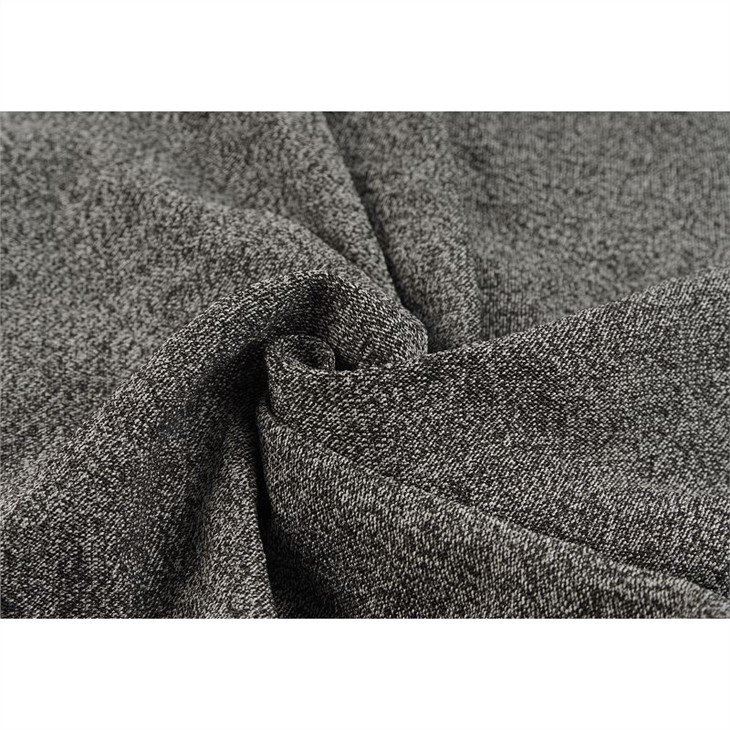
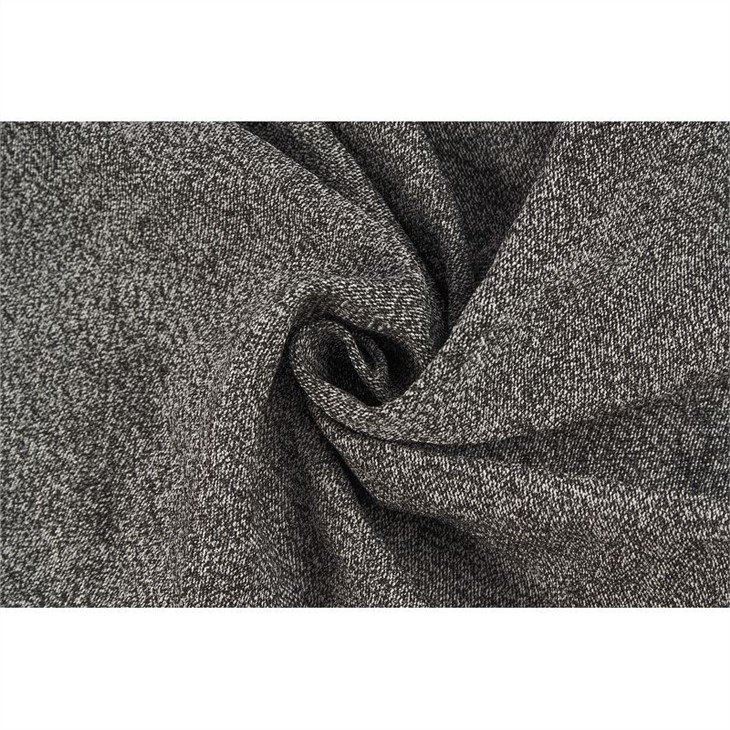
Testing and Quality Assurance
As a supplier, we understand the importance of testing and quality assurance. We conduct a series of tests on our cut resistant fabrics to ensure their performance in high - speed cutting situations. These tests include tensile strength tests, cut resistance tests, and abrasion resistance tests. We also test the fabrics under simulated high - speed cutting conditions to evaluate their real - world performance.
Our quality control process is strict. We use advanced manufacturing techniques to ensure the consistency and quality of our products. Each batch of fabric is inspected before it is shipped to the customer. This ensures that our customers receive high - quality cut resistant fabrics that meet their safety requirements.
Innovation in Cut Resistant Fabrics
We are constantly investing in research and development to improve the performance of our cut resistant fabrics. New materials and manufacturing techniques are being explored to enhance the cut resistance, flexibility, and comfort of the fabrics. For example, we are researching the use of nanomaterials to improve the cut resistance of the fabric at a microscopic level. These nanomaterials can form a protective layer on the fabric surface, making it more difficult for the cutting edge to penetrate.
Conclusion
Cut resistant protective fabrics play a crucial role in high - speed cutting situations. Their performance is determined by factors such as tensile strength, cut resistance rating, flexibility, and comfort. Different industries have different requirements for cut resistant fabrics, and we need to provide customized solutions to meet these needs.
As a leading supplier of cut resistant protective fabrics, we are committed to providing high - quality products that ensure the safety of workers in high - speed cutting operations. If you are interested in our products or have any questions about cut resistant fabrics, please feel free to contact us for further information and to discuss your procurement needs.
References
- ASTM F1790 - Standard Test Method for Measuring Cut Resistance of Materials Using a Rotary Blade Apparatus.
- EN 388 - Protective gloves against mechanical risks.
Send Inquiry