


Can 3k Carbon Fiber Fabrics be used in smart textiles?
Nov 24, 2026
Leave a message
Hey there! As a supplier of 3k carbon fiber fabrics, I've been getting a lot of questions lately about whether these fabrics can be used in smart textiles. It's a super interesting topic, and I'm excited to share my thoughts and insights with you.
First off, let's talk a bit about what 3k carbon fiber fabrics are. The "3k" refers to the number of carbon filaments in each tow. A tow is a bundle of carbon filaments, and in 3k carbon fiber, there are 3,000 filaments per tow. These fabrics are known for their high strength, low weight, and excellent stiffness. They're commonly used in industries like aerospace, automotive, and sports equipment.
Now, when it comes to smart textiles, we're talking about fabrics that have some kind of electronic functionality. This could include things like sensors, actuators, or the ability to conduct electricity. Smart textiles are used in a wide range of applications, from fitness wear that monitors your heart rate to military uniforms that can detect chemical agents.
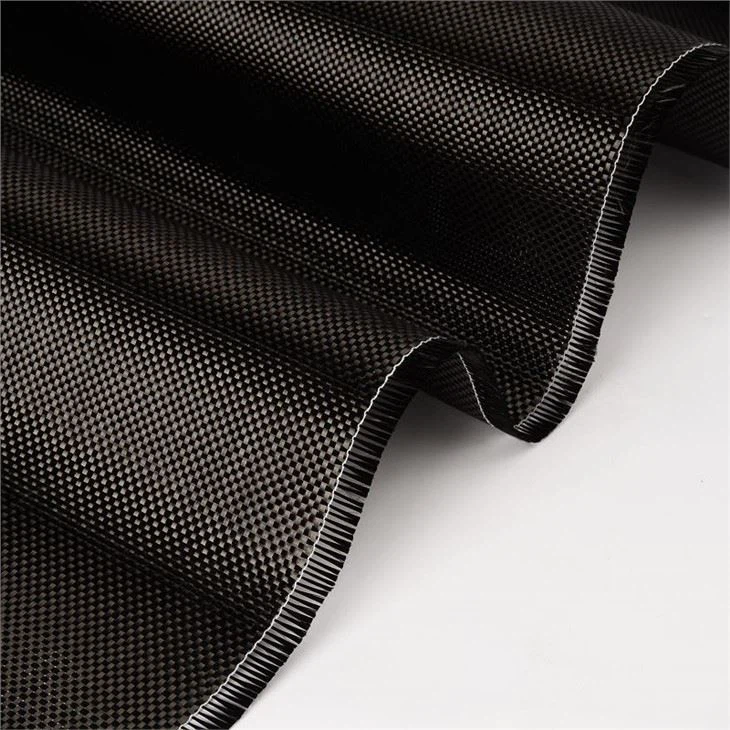
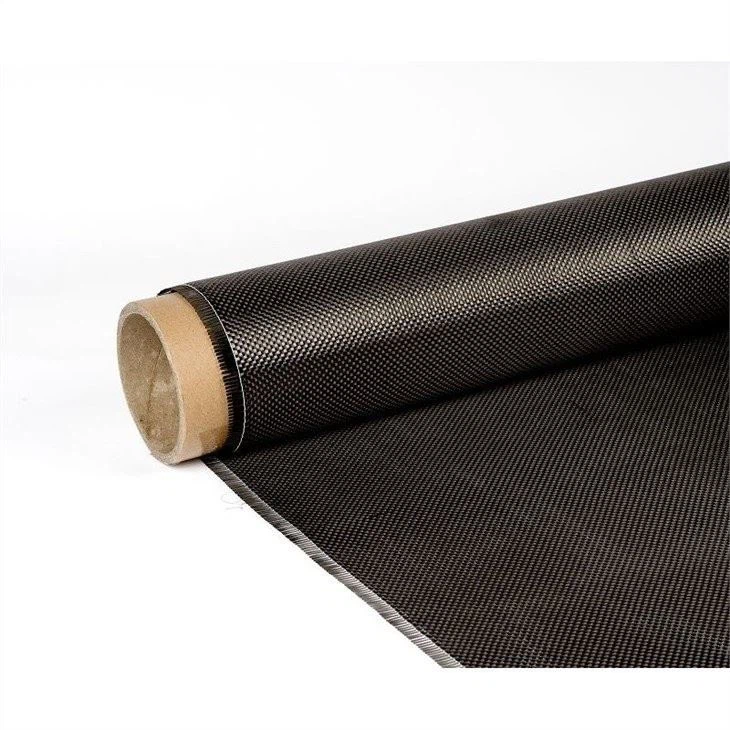
So, can 3k carbon fiber fabrics be used in smart textiles? The short answer is yes, and here's why.
Electrical Conductivity
One of the key properties of carbon fiber is its electrical conductivity. This makes it a great candidate for use in smart textiles. For example, you could use 3k carbon fiber fabrics to create a conductive path for an electrical signal. This could be used to connect sensors or other electronic components within the fabric.
Let's say you're developing a smart shirt that monitors your body temperature. You could use 3k carbon fiber fabric to create a network of conductive threads that connect the temperature sensors to a microcontroller. This would allow the sensors to send data to the microcontroller, which could then display the information on a smartphone app.
Strength and Durability
Smart textiles often need to be strong and durable, especially if they're going to be used in high-stress applications. 3k carbon fiber fabrics are incredibly strong and can withstand a lot of wear and tear. This makes them ideal for use in smart textiles that need to be able to handle rough conditions.
For instance, if you're developing a smart backpack for outdoor enthusiasts, you could use 3k carbon fiber fabric to make the backpack more resistant to abrasion and tearing. The fabric's high strength would also allow it to carry heavy loads without breaking.
Lightweight
Another advantage of 3k carbon fiber fabrics is their lightweight nature. In smart textiles, weight is often a critical factor, especially in applications like wearable technology. Using 3k carbon fiber fabrics can help reduce the overall weight of the textile, making it more comfortable to wear.
Let's take the example of a smart sports bra. By using 3k carbon fiber fabric, you can make the bra lighter without sacrificing its strength or functionality. This would make it more comfortable for athletes to wear during intense workouts.
Different Weaves and Types
We offer a variety of 3k carbon fiber fabrics, each with its own unique properties. For example, our 3K Carbon Fiber Aramid Fabric combines the strength of carbon fiber with the heat resistance of aramid fibers. This makes it a great choice for smart textiles that need to be able to withstand high temperatures.
Our 3k Twill Carbon Fiber Cloth has a distinctive twill weave that gives it a unique appearance. It's also very flexible, which makes it ideal for use in smart textiles that need to be able to bend and stretch.
The 3k Carbon Fiber Plain Weave is a classic choice that offers excellent balance between strength and flexibility. It's often used in applications where a high level of precision is required.
Our Plain Carbon Fiber 3k Woven Fabric Prepreg is pre-impregnated with resin, which makes it easier to work with and provides additional strength and stiffness.
And our 3k Twill Carbon Fiber Fabric 4/4 has a unique 4/4 twill weave that gives it a more textured look. It's also very durable, making it a great choice for smart textiles that need to be able to withstand heavy use.
Challenges and Considerations
Of course, using 3k carbon fiber fabrics in smart textiles also comes with some challenges. One of the main challenges is the cost. Carbon fiber is generally more expensive than traditional textile materials, which can make it difficult to justify the cost in some applications.
Another challenge is the processing. Carbon fiber fabrics can be difficult to work with, especially when it comes to integrating electronic components. Specialized manufacturing techniques may be required to ensure that the electronic components are properly integrated into the fabric.
Conclusion
In conclusion, 3k carbon fiber fabrics have a lot of potential for use in smart textiles. Their electrical conductivity, strength, durability, and lightweight nature make them a great choice for a wide range of applications. However, there are also some challenges that need to be addressed, such as cost and processing.
If you're interested in using 3k carbon fiber fabrics in your smart textile projects, I'd love to talk to you. We can discuss your specific needs and help you find the right fabric for your application. Whether you're a startup looking to develop the next big thing in smart textiles or an established company looking to improve your existing products, we're here to help.
So, don't hesitate to reach out and start a conversation. Let's work together to create the future of smart textiles!
References
- "Carbon Fiber Reinforced Polymers: Materials, Manufacturing, and Design" by David Hull and Timothy W. Clyne
- "Smart Textiles and Wearable Technology" by Helen M. Byrne and Peter J. T. Higgins
Send Inquiry