


Carbon Fiber 101: Understanding Weaves and Fabrics
Apr 03, 2024
Leave a message
Carbon fiber is usually woven into fabric after being manufactured and sized. The manufacturing process begins by creating bundles of carbon fibers called tows. These tows are then rated based on the number of fibers or filaments they contain, often referred to as 3k, 6k, 12k, and 48k. The "k" stands for "thousand," meaning that a 3k tow contains 3,000 carbon filaments. Each strand of carbon fiber is only about 5-10 microns thick, but the large amount of strong carbon fiber in such a compact space gives the material incredible strength.
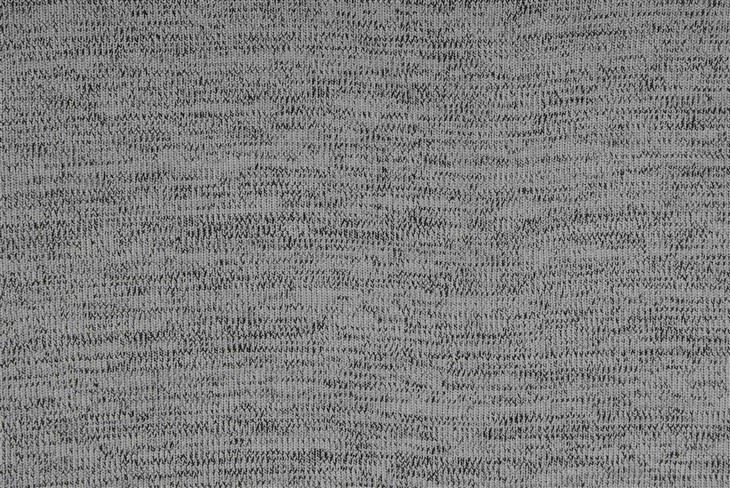
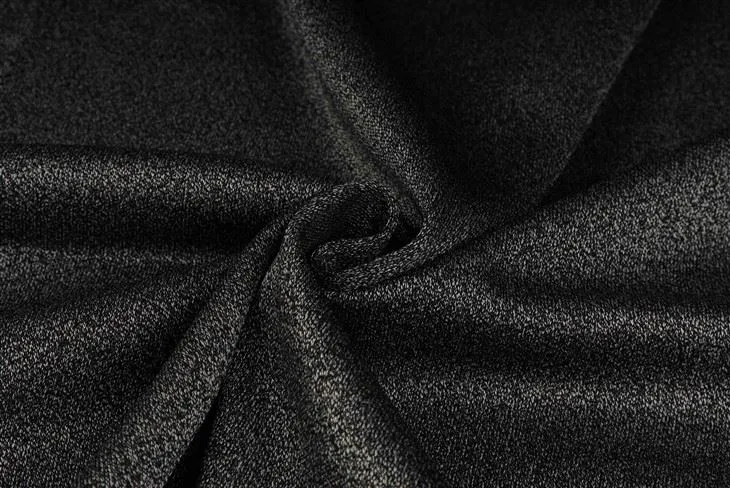
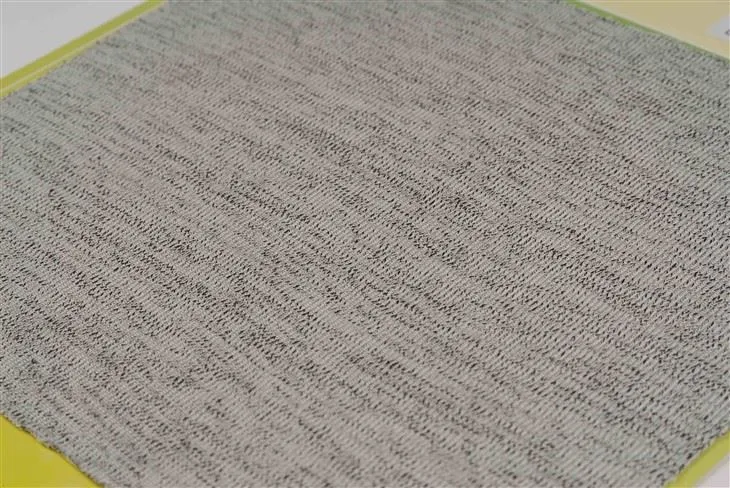
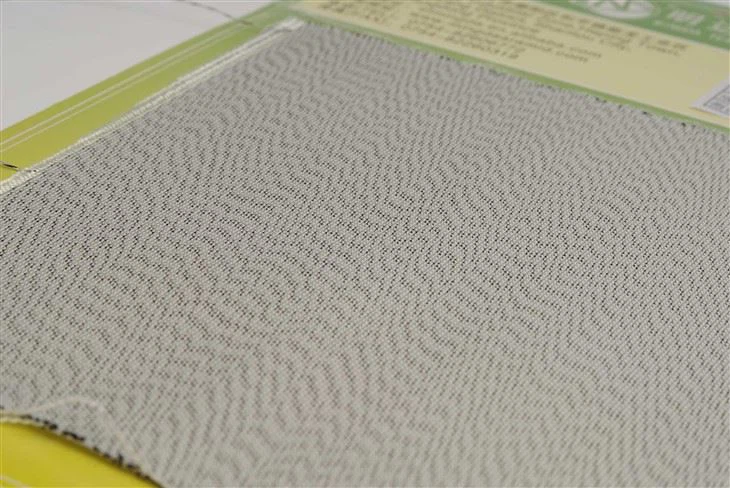
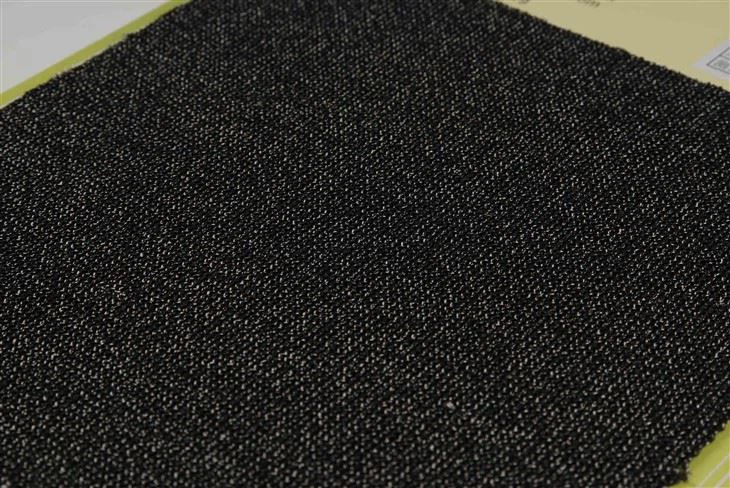
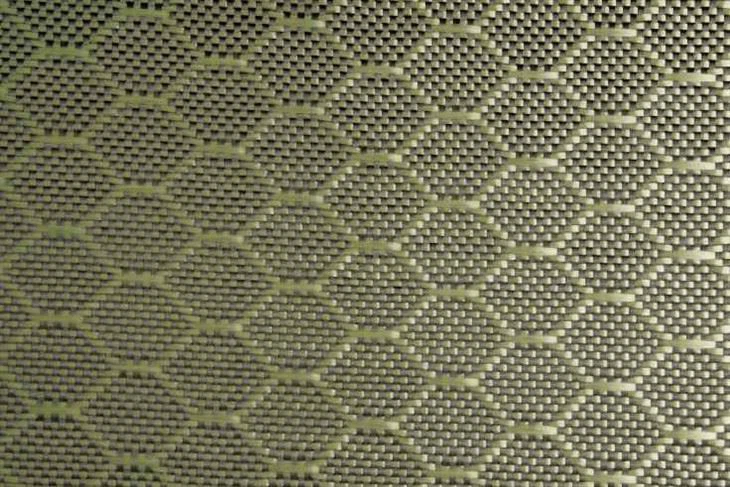
carbon fiber weave
Spools of carbon fiber are woven into fabric on a loom. The most common weaves are plain weave, twill weave and heddle weave.
plain weave
Plain weave or 1x1 weave carbon fiber fabric is symmetrical and resembles a checkerboard. The tows are woven in an over/under pattern, providing highly stable, tightly interwoven fibers. Fabric stability refers to the ability of a material to maintain its fiber orientation and weave angle. Due to its high fabric stability, plain carbon fiber fabric is less suitable for complex contours as it is not particularly flexible. However, it is easier to handle and does not cause fabric deformation. Therefore, it is ideal for flat sheets, tubes and 2D curves.
Crimp is the curvature of the individual fibers in the weave, and plain carbon fiber fabrics have a rough crimp due to the tight interweaving of the filament strands. Over time, this harsh curling creates stress points that lead to weak areas.
Twill weave
Twill weave, consisting of a 2x2 or 4x4 pattern, is the most common type of carbon fiber fabric. In a 2x2 braid, each strand is passed over two strands and then under both strands. It stands to reason, then, that a 4x4 braid consists of each tow passing through four tows and then four more tows. This over/under weave creates a distinct diagonal pattern. The distance between the interlacing strands in a twill weave is longer than in a plain weave. As a result, less curling occurs, reducing the chance of developing stress points.
Twill weave is flexible and can form complex contours while still maintaining good stability. It must be handled more carefully than plain weave to avoid increased tissue deformation. The 4x4 weave is easier to form than the 2x2 weave, but the fabric is also less stable.
Horse harness satin weave
Satin weave has been used for thousands of years to give silk fabrics a beautiful drape while making the fabric smooth and seamless. When used in carbon fiber composites, satin weaves can easily form complex contours. Obviously, this means that the stability of satin weave is also lower than other weaves.
The most common satin weaves are four-heddle satin (4HS), five-heddle satin (5HS) and eight-heddle satin (8HS). This number represents the total number of tows passed and then passed. For example, 4HS tissue has three filament strands passing through it and then one filament strand passing through it. With the 5HS, four tows are crossed and then one underneath, while with the 8HS seven tows are crossed and then one underneath. The higher the satin weave number, the better the formability, but the worse the stability.
Other weaves
There are many other weaving methods used to create carbon fiber fabrics. These include fish braid, tow spread, braid, unidirectional braid and custom braid. Each weave contains unique properties that make it ideal for use in some designs, but not a good choice for others. There are many factors that must be considered when determining which carbon fiber braid should be used to perform a specific function. These factors include strength, formability, stability and curl. Carbon fiber manufacturers are experts at knowing which fabric should be used for which design.
Send Inquiry