


What is the difference between cut resistant and ballistic resistant clothing?
Dec 08, 2025
Leave a message
Hey there! As a supplier of cut resistant clothing, I often get asked about the difference between cut resistant and ballistic resistant clothing. It's a pretty common question, and it's important to understand the distinctions, especially if you're in the market for protective gear. So, let's dive right in and break it down.
What is Cut Resistant Clothing?
Cut resistant clothing is designed to protect the wearer from cuts, slices, and lacerations. It's commonly used in industries where workers are at risk of coming into contact with sharp objects, like knives, blades, or glass. For example, butchers, chefs, glass handlers, and construction workers often wear cut resistant clothing to prevent injuries.
The level of cut resistance in clothing is determined by a standardized testing process. In the United States, the most widely recognized standard is the ASTM F1790, which measures the force required to cut through a fabric using a rotating blade. The higher the rating, the more cut resistant the fabric is.
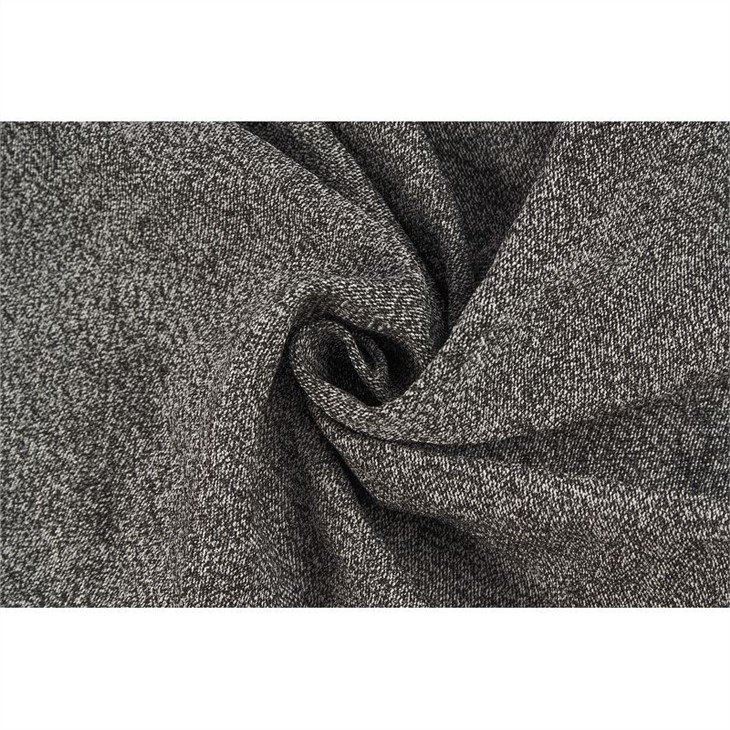
At our company, we offer a variety of cut resistant fabrics to meet different needs. For instance, our Woven Anti Cut Waterproof Fabrics are not only cut resistant but also waterproof, making them ideal for outdoor or wet environments. And our Cut-Resistant Nail-Proof Knitted Spandex Fabric provides flexibility and comfort while still offering excellent cut protection.
What is Ballistic Resistant Clothing?
Ballistic resistant clothing, on the other hand, is designed to protect the wearer from bullets, shrapnel, and other projectiles. It's commonly used by law enforcement officers, military personnel, and security guards.
Ballistic resistant clothing is typically made from high-strength fibers, such as Kevlar or Spectra. These fibers are woven together to form a fabric that can absorb and disperse the energy of a bullet or other projectile, reducing the risk of injury to the wearer.
The level of ballistic resistance in clothing is also determined by a standardized testing process. In the United States, the most widely recognized standard is the National Institute of Justice (NIJ) Standard-0101.06, which classifies ballistic resistant clothing into different levels based on its ability to stop various types of ammunition.
Key Differences Between Cut Resistant and Ballistic Resistant Clothing
1. Purpose
The primary purpose of cut resistant clothing is to protect against cuts and lacerations, while the primary purpose of ballistic resistant clothing is to protect against bullets and projectiles. This difference in purpose means that the two types of clothing are designed and tested differently.
2. Materials
Cut resistant clothing is often made from materials like stainless steel mesh, high-performance polyethylene fibers, or aramid fibers. These materials are chosen for their ability to resist cutting forces. Ballistic resistant clothing, on the other hand, is typically made from high-strength synthetic fibers, such as Kevlar or Spectra, which are designed to absorb and disperse the energy of a bullet.
3. Testing Standards
As mentioned earlier, cut resistant clothing is tested using standards like ASTM F1790, which focus on the fabric's ability to resist cutting. Ballistic resistant clothing is tested using standards like the NIJ Standard-0101.06, which focus on the fabric's ability to stop bullets.
4. Comfort and Mobility
Cut resistant clothing is generally designed to be lightweight and flexible, allowing for a wide range of motion. This is important in industries where workers need to be able to move freely while performing their tasks. Ballistic resistant clothing, on the other hand, can be heavier and more restrictive, especially at higher levels of protection. This is because the materials used to stop bullets are often thicker and less flexible.
5. Cost
Ballistic resistant clothing is typically more expensive than cut resistant clothing. This is due to the high cost of the materials used and the complex manufacturing processes involved in making ballistic resistant fabrics.
When to Choose Cut Resistant or Ballistic Resistant Clothing
If you work in an industry where you're at risk of cuts or lacerations, such as food processing, construction, or glass handling, cut resistant clothing is the way to go. It will provide you with the protection you need without sacrificing comfort or mobility.
On the other hand, if you work in a high-risk environment where you're at risk of being shot, such as law enforcement or military operations, ballistic resistant clothing is essential. It will provide you with the highest level of protection against bullets and other projectiles.
Our Cut Resistant Clothing Offerings
We take pride in offering a wide range of cut resistant clothing options. In addition to the fabrics I mentioned earlier, we also have Stab Resistant Fabric, which provides an extra layer of protection against stabbing injuries.
Our cut resistant clothing is not only effective but also comfortable to wear. We understand that workers need to be able to move freely and perform their tasks without feeling restricted. That's why we use high-quality materials and innovative design techniques to ensure that our clothing meets the highest standards of comfort and performance.
Conclusion
In conclusion, cut resistant and ballistic resistant clothing serve different purposes and are designed to protect against different types of threats. Understanding the differences between the two is crucial when choosing the right protective gear for your needs.
If you're in the market for cut resistant clothing, we'd love to help you find the perfect solution. Whether you need a specific type of fabric or a customized garment, we have the expertise and resources to meet your requirements.
Don't hesitate to reach out if you have any questions or if you're interested in discussing a potential purchase. We're here to provide you with the best cut resistant clothing solutions and ensure your safety on the job.

References
- ASTM International. (n.d.). ASTM F1790 - 18 Standard Test Method for Determining the Cut Resistance of Materials Using a Rotating Blade. Retrieved from ASTM website.
- National Institute of Justice. (2017). NIJ Standard-0101.06: Ballistic Resistance of Body Armor. Retrieved from NIJ website.
Send Inquiry