




What are the differences between different grades of Kevlar fabric?
Oct 28, 2025
Leave a message
Hey there! As a supplier of Kevlar fabrics, I've seen firsthand how different grades of this amazing material can vary. Kevlar, a brand of aramid fiber, is known for its high strength-to-weight ratio, excellent heat resistance, and remarkable cut and abrasion resistance. But not all Kevlar fabrics are created equal. In this blog post, I'll break down the differences between various grades of Kevlar fabric and why these distinctions matter for different applications.
Grade 1: Lightweight and Flexible Kevlar
The first grade I want to talk about is the lightweight Kevlar fabric. This type is often used in applications where flexibility and mobility are key. It's great for things like Kevlar Fabric For Sewing. You can use it to make protective clothing, such as cut-resistant gloves or motorcycle gear.
The lightweight nature of this grade means it's easy to work with. You can sew it just like regular fabric, but it still offers a good level of protection. It's also breathable, which is important for comfort when you're wearing it for long periods. For example, if you're a mechanic or a chef, having cut-resistant gloves made from this grade of Kevlar can keep you safe without making your hands feel too hot or restricted.
Grade 2: Medium-Duty Kevlar
Moving up a notch, we have the medium-duty Kevlar fabric. This grade is a bit thicker and stronger than the lightweight version. It's commonly used in applications where more durability is required. One of the popular uses is in the production of Woven Aramid Wool Kevlar FR Army Fabric.
The medium-duty Kevlar can withstand more wear and tear. It's often used in military and law enforcement gear, like bulletproof vests and helmets. The extra strength comes from a higher density of Kevlar fibers, which makes it better at stopping projectiles and absorbing impact. It also has better heat resistance than the lightweight grade, which is crucial in high-risk situations.
Grade 3: Heavy-Duty Kevlar
Now, let's talk about the heavy-duty Kevlar fabric. This is the big guns of Kevlar grades. It's extremely thick and strong, designed for the most demanding applications. You'll find this grade in things like High Temperature Fire Retardant Belt Ballistic Fabric Bulletproof Fiber Fabrics.
Heavy-duty Kevlar is used in industries where extreme protection is needed, such as aerospace and high-end military equipment. It can withstand high temperatures, high-velocity impacts, and even chemical exposure. For example, in the aerospace industry, it's used to reinforce aircraft parts to make them more resistant to damage from debris and impacts.

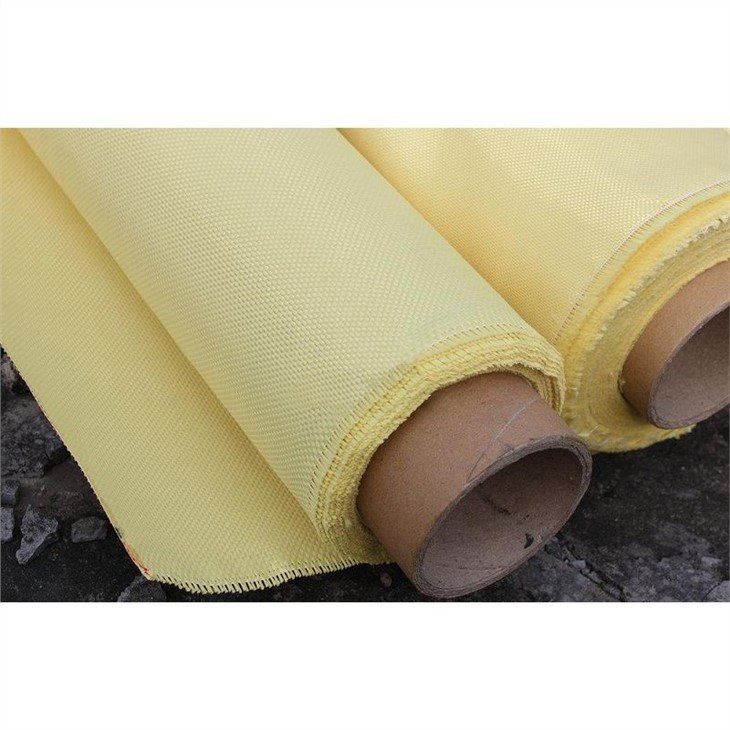
Key Differences in Performance
One of the main differences between these grades is their strength. As you move from lightweight to heavy-duty, the fabric can handle more force and impact. The lightweight grade is great for everyday protection, but if you're in a situation where you need to stop a bullet or withstand a high-speed impact, you'll want the heavy-duty grade.
Another difference is in their heat resistance. The higher the grade, the better it can handle high temperatures. This is important in applications like firefighting or industrial settings where there's a risk of exposure to flames or hot surfaces.
Flexibility also varies between grades. The lightweight grade is the most flexible, making it easy to work with and comfortable to wear. As the grade increases, the fabric becomes stiffer, which can be a trade-off for the increased strength and protection.
Choosing the Right Grade for Your Needs
So, how do you choose the right grade of Kevlar fabric for your project? Well, it all depends on what you're using it for. If you're making something like a small cut-resistant item for personal use, the lightweight grade might be sufficient. It's cost-effective and easy to work with.
If you're in an industry where there's a higher risk of impact or damage, like military or law enforcement, the medium or heavy-duty grades are a better choice. They offer the level of protection you need to keep people safe.
It's also important to consider the cost. Higher grades of Kevlar fabric are generally more expensive because they require more resources to produce. So, you need to balance your budget with the level of protection you need.
Why Choose Our Kevlar Fabrics
As a supplier, we take pride in offering high-quality Kevlar fabrics in all grades. We source our materials from trusted manufacturers and ensure that each batch meets strict quality standards. Our team is also available to help you choose the right grade for your specific needs. Whether you're a small business looking to make a few cut-resistant products or a large corporation in need of heavy-duty Kevlar for industrial applications, we've got you covered.
If you're interested in purchasing Kevlar fabric, we'd love to hear from you. You can reach out to us to discuss your requirements and get a quote. We're committed to providing excellent customer service and helping you find the perfect solution for your project.
In conclusion, understanding the differences between different grades of Kevlar fabric is crucial for making the right choice for your application. Whether you need lightweight flexibility or heavy-duty protection, there's a grade of Kevlar out there for you. So, don't hesitate to contact us and start exploring the possibilities of using Kevlar in your next project.
References
- DuPont, the original manufacturer of Kevlar, provides technical information on different grades of Kevlar and their properties.
- Industry reports on the use of Kevlar in various sectors, such as military, aerospace, and industrial applications.
- Research papers on the performance and characteristics of aramid fibers, including Kevlar.
Send Inquiry