


Is 3k carbon fiber fabric suitable for electrical insulation applications?
Nov 19, 2026
Leave a message
Is 3k Carbon Fiber Fabric Suitable for Electrical Insulation Applications?
As a reliable supplier of 3k carbon fiber fabrics, I've often been asked about the suitability of our products for electrical insulation applications. This blog post aims to examine this question thoroughly, exploring the properties of 3k carbon fiber fabric, its electrical characteristics, and the factors to consider when using it for insulation purposes.
Understanding 3k Carbon Fiber Fabric
3k carbon fiber fabric refers to a type of carbon fiber material where each tow consists of 3,000 individual carbon filaments. The "k" in 3k stands for "kilo," indicating 1,000. This fabric is known for its high strength, low weight, and excellent stiffness. These properties make it a popular choice in various industries, including aerospace, automotive, and sports equipment manufacturing.

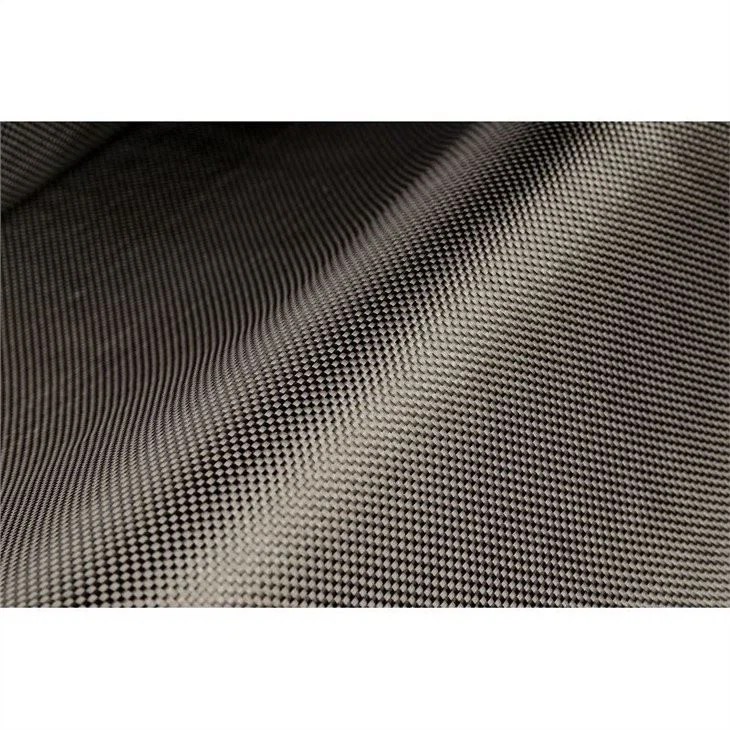
We offer a wide range of 3k carbon fiber fabrics, such as 3k 200gsm Carbon Fiber Fabric, 3K Carbon Kevlar Fabric Colored, 3k Twill Carbon Fiber Cloth, 3k 200g Pain Weave Carbon Fiber Fabric, and 3k Carbon Fiber Plain Weave. Each type has its unique characteristics and is suitable for different applications.
Electrical Properties of Carbon Fiber
Carbon fiber is inherently electrically conductive. This conductivity is due to the delocalized electrons in the carbon atoms' structure, which allows the free movement of electric charge. The electrical conductivity of carbon fiber makes it useful in applications such as electromagnetic shielding and static charge dissipation. However, it also means that carbon fiber is generally not a good electrical insulator.
The electrical conductivity of carbon fiber can vary depending on several factors, including the type of carbon fiber, its orientation, and the presence of any additives or coatings. For example, high-modulus carbon fibers tend to have higher electrical conductivity than standard modulus fibers.
Suitability for Electrical Insulation
In general, 3k carbon fiber fabric is not suitable for applications where high electrical insulation is required. Due to its conductive nature, it can allow the flow of electric current, which can be a significant safety hazard in electrical systems. However, there are some situations where 3k carbon fiber fabric may still be used with additional measures to achieve a certain level of insulation.
One approach is to use a non - conductive coating on the carbon fiber fabric. Coatings such as epoxy resins or specialized insulating paints can be applied to the surface of the fabric to create a barrier against electrical current. The effectiveness of the coating depends on its quality, thickness, and adhesion to the fabric.
Another option is to use the carbon fiber fabric in combination with other insulating materials. For example, it can be laminated with layers of insulating polymers or fiberglass. This composite structure can take advantage of the mechanical properties of the carbon fiber while providing the necessary electrical insulation.
Factors to Consider
When considering using 3k carbon fiber fabric in an application that requires some level of electrical insulation, several factors need to be taken into account:
- Voltage and Current Requirements: The voltage and current levels in the electrical system will determine the degree of insulation needed. Higher voltage applications will require more robust insulation.
- Environmental Conditions: The operating environment, including temperature, humidity, and the presence of chemicals, can affect the performance of the insulation. For example, high humidity can reduce the effectiveness of some insulating materials.
- Mechanical Requirements: In many cases, the 3k carbon fiber fabric is chosen for its mechanical properties, such as strength and stiffness. Any insulating measures should not significantly compromise these properties.
Our Products and Solutions
As a 3k carbon fiber fabric supplier, we understand the unique requirements of different applications. While our standard 3k carbon fiber fabrics are not suitable for direct electrical insulation, we can work with customers to develop customized solutions.
We can provide guidance on the selection of appropriate coatings or composite structures to achieve the desired level of insulation. Our team of experts can also assist in conducting tests to ensure that the final product meets the specific electrical and mechanical requirements of the application.
Conclusion
In conclusion, 3k carbon fiber fabric, due to its electrical conductivity, is generally not suitable for applications that demand high - level electrical insulation without additional processing. However, with the use of coatings or in combination with other insulating materials, it can be adapted for use in situations where a certain degree of insulation is needed along with its excellent mechanical properties.
If you are considering using 3k carbon fiber fabric in an application that may require electrical insulation or have any other questions about our products, we encourage you to get in touch with us. Our knowledgeable team is ready to discuss your requirements and provide you with the best solutions.
References
- Callister, W. D., & Rethwisch, D. G. (2014). Materials Science and Engineering: An Introduction. John Wiley & Sons.
- Strong, A. B. (2008). Plastics: Materials and Processing. Pearson Prentice Hall.
Send Inquiry