


How to store 240g Black Kevlar Fabric?
Jan 15, 2026
Leave a message
As a supplier of 240g black Kevlar fabric, I understand the importance of proper storage to maintain the quality and performance of this remarkable material. Kevlar fabric is known for its exceptional strength, heat resistance, and durability, making it a popular choice for various applications, including bulletproof vests, protective clothing, and industrial products. In this blog post, I will share some essential tips on how to store 240g black Kevlar fabric to ensure its longevity and effectiveness.
Understanding Kevlar Fabric
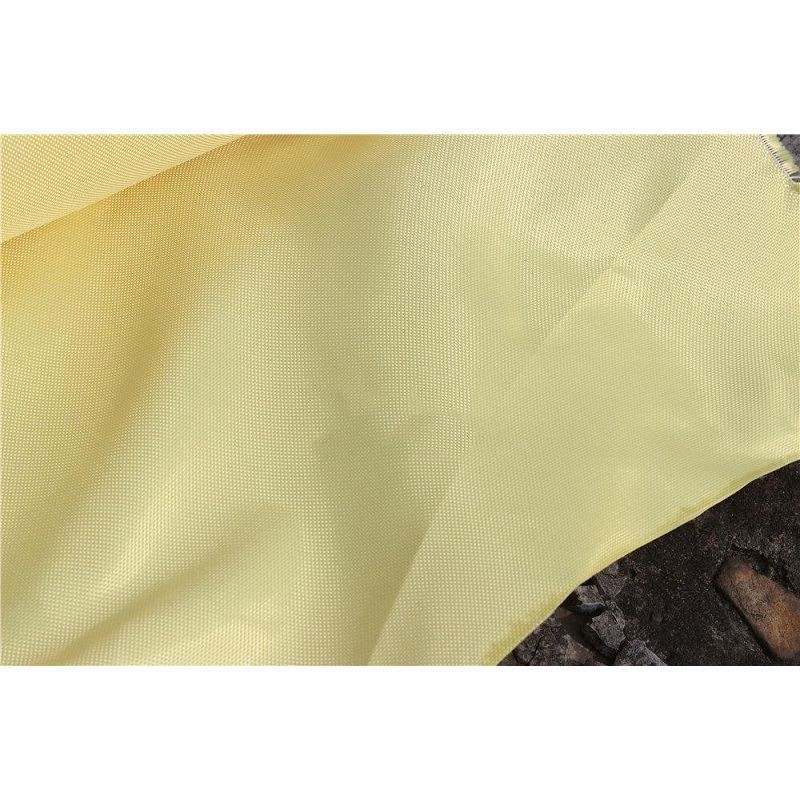
Before discussing storage methods, it's essential to understand the nature of Kevlar fabric. Kevlar is an aramid fiber, a synthetic polymer known for its high tensile strength and low weight. The 240g black Kevlar fabric refers to the fabric's weight per square meter, which is an important factor in determining its thickness and strength. The black color is often a result of a finishing process that can enhance the fabric's appearance and may provide some additional protection against UV rays.
Storage Environment
The first step in proper Kevlar fabric storage is to control the environment where it is kept. Kevlar fabric should be stored in a cool, dry place away from direct sunlight, heat sources, and humidity. Exposure to high temperatures can cause the fabric to become brittle and lose its strength over time. Humidity can lead to the growth of mold and mildew, which can damage the fabric and compromise its performance.
- Temperature: The ideal temperature for storing Kevlar fabric is between 50°F (10°C) and 70°F (21°C). Avoid storing the fabric in areas where the temperature can fluctuate significantly, such as attics, basements, or unheated storage sheds.
- Humidity: The relative humidity in the storage area should be kept between 30% and 50%. You can use a dehumidifier to control the humidity levels if necessary. Avoid storing the fabric in areas prone to condensation, such as near windows or air conditioning units.
- Sunlight and UV Exposure: Direct sunlight and UV rays can cause the color of the Kevlar fabric to fade and may weaken the fibers. Store the fabric in a dark place or use opaque storage containers to protect it from light.
Storage Containers
Choosing the right storage container is crucial for protecting Kevlar fabric. The container should be clean, dry, and made of a material that will not react with the fabric. Here are some options for storing Kevlar fabric:
- Plastic Bags: High-quality plastic bags can be used to store small pieces of Kevlar fabric. Make sure the bags are sealed tightly to prevent moisture and dust from entering. However, avoid using bags made of PVC, as they can release chemicals that may damage the fabric.
- Cardboard Boxes: Cardboard boxes are a good option for storing larger pieces of Kevlar fabric. Line the boxes with acid-free paper to protect the fabric from any chemicals in the cardboard. Make sure the boxes are stored in a dry place and are not stacked too high to avoid crushing the fabric.
- Storage Totes: Plastic storage totes with tight-fitting lids are another excellent option for storing Kevlar fabric. They provide a more durable and protective environment compared to plastic bags or cardboard boxes. Make sure the totes are clean and dry before storing the fabric.
Handling and Folding
Proper handling and folding of Kevlar fabric can also affect its storage and performance. Here are some tips to keep in mind:
- Clean Hands: Always handle Kevlar fabric with clean hands to avoid transferring dirt, oil, or other contaminants to the fabric.
- Avoid Sharp Objects: Keep Kevlar fabric away from sharp objects that can cut or puncture the fibers. When storing the fabric, make sure there are no sharp edges or protrusions in the storage container.
- Folding: When folding Kevlar fabric, try to minimize sharp creases and folds. Instead, fold the fabric gently along its natural grain to prevent damage to the fibers. If possible, roll the fabric instead of folding it to reduce stress on the fibers.
Inspection and Maintenance
Regular inspection and maintenance of the stored Kevlar fabric are essential to ensure its quality and performance. Here are some steps you can take:
- Inspect Regularly: Check the fabric periodically for any signs of damage, such as cuts, tears, or discoloration. If you notice any issues, address them immediately to prevent further damage.
- Clean if Necessary: If the fabric becomes dirty, clean it according to the manufacturer's instructions. Avoid using harsh chemicals or abrasive cleaners, as they can damage the fabric.
- Rotate Stock: If you have multiple pieces of Kevlar fabric in storage, rotate them regularly to ensure that they are all used before their expiration date. This will help prevent the fabric from deteriorating over time.
Importance of Proper Storage
Proper storage of 240g black Kevlar fabric is essential for maintaining its quality and performance. By following the tips outlined in this blog post, you can ensure that your Kevlar fabric remains in excellent condition for longer, reducing the risk of damage and ensuring that it performs as expected when used in various applications.
Related Products
If you're interested in other types of Kevlar fabric, we also offer a range of high-quality products, including Aramid UD Bulletproof Fiber Fabric Army Use Bulletproof Vest Material, High Quality Bulletproof Kevlar Fabric, and Kevlar Elastic Fabric. These products are designed to meet the highest standards of quality and performance, making them ideal for a variety of applications.

Contact Us for Purchase
If you're in the market for 240g black Kevlar fabric or any of our other products, we invite you to contact us to discuss your specific needs. Our team of experts is available to provide you with detailed information, answer your questions, and assist you with the purchasing process. Whether you're a small business or a large-scale manufacturer, we can provide you with the high-quality Kevlar fabric you need at a competitive price.
References
- "Kevlar: Properties, Applications, and Future Trends" - Journal of Advanced Materials
- "Storage Guidelines for Aramid Fibers" - Textile Research Institute
Send Inquiry