




How to protect 3K Carbon Kevlar Fabric Colored from mechanical damage during installation?
Dec 09, 2025
Leave a message
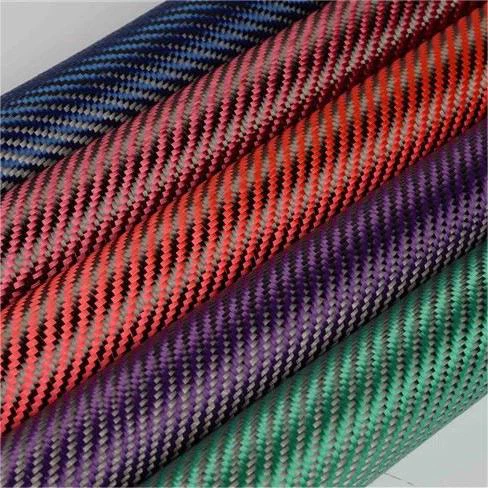
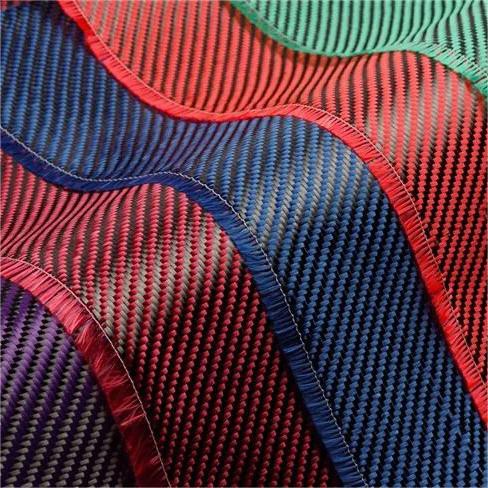
As a supplier of 3K Carbon Kevlar Fabric Colored, I understand the significance of protecting this high - performance material from mechanical damage during installation. This fabric combines the strength of carbon fiber and the toughness of Kevlar, along with an attractive color, making it a popular choice in various industries such as aerospace, automotive, and sports equipment. However, its installation process requires careful attention to prevent any mechanical harm that could compromise its performance.
Understanding the Properties of 3K Carbon Kevlar Fabric Colored
Before delving into the protection methods, it's essential to understand the unique properties of 3K Carbon Kevlar Fabric Colored. The "3K" refers to the number of filaments in each tow of carbon fiber, with 3,000 filaments per tow. This fabric offers a balance between strength and flexibility. Carbon fiber provides high stiffness and low weight, while Kevlar adds excellent impact resistance and abrasion resistance. The colored aspect not only adds aesthetic value but also may require special care to maintain its appearance.
Pre - installation Preparation
Inspection
Before installation, thoroughly inspect the fabric for any pre - existing damage. Look for cuts, tears, or frayed edges. Even minor damage can propagate during installation and lead to more significant issues later. If any damage is found, it's advisable to replace the affected section or the entire piece of fabric, depending on the severity.
Clean the Installation Area
The installation surface should be clean, dry, and free of debris. Any dirt, dust, or oil on the surface can cause the fabric to adhere unevenly or create friction points that may lead to mechanical damage. Use a suitable cleaning agent and a lint - free cloth to clean the area. For example, in an automotive application, clean the body panel with a mild automotive cleaner and dry it completely before proceeding.
Plan the Installation
Carefully plan the installation process. Measure the area where the fabric will be installed and cut the fabric to the appropriate size. Make sure to leave some extra margin for adjustments. Consider the direction of the fabric's fibers, as installing it in the wrong direction can affect its performance. For instance, in a structural application, the fibers should be aligned with the direction of the expected loads.
Handling the Fabric
Use Gloves
When handling the 3K Carbon Kevlar Fabric Colored, always wear clean, lint - free gloves. This prevents the transfer of oils and dirt from your hands to the fabric, which can weaken the fabric or stain it. Additionally, gloves provide a better grip, reducing the risk of dropping or mishandling the fabric.
Avoid Sharp Edges
Keep the fabric away from sharp edges and rough surfaces. Sharp tools, metal edges, or abrasive materials can easily cut or scratch the fabric. When transporting the fabric, use a smooth - surfaced container or a protective cover. If you need to place the fabric on a surface during installation, use a soft, padded material as a buffer.
Installation Techniques
Adhesive Application
If the fabric is being installed using an adhesive, apply the adhesive evenly on the installation surface. Use a notched trowel or a brush to ensure a consistent layer of adhesive. Too much adhesive can cause the fabric to wrinkle or create air bubbles, while too little may result in poor adhesion. Follow the manufacturer's instructions regarding the type of adhesive to use and the curing time.
Smooth Placement
Gently place the fabric on the adhesive - coated surface. Start from one end and gradually smooth out the fabric, working your way across. Use a soft roller or a squeegee to remove any air bubbles and ensure good contact between the fabric and the surface. Apply even pressure to avoid creating stress points that could lead to mechanical damage.
Trimming
Once the fabric is in place, carefully trim the excess fabric using sharp, clean scissors or a utility knife. Make sure to cut along the marked lines precisely. Avoid pulling or stretching the fabric during trimming, as this can cause the fibers to shift or break.
Protection During Installation
Use Protective Barriers
In some cases, it may be necessary to use protective barriers during installation. For example, if there are moving parts or equipment in the vicinity, place a plastic sheet or a rubber mat between the fabric and the potential sources of damage. This can prevent scratches, dents, or impact damage from occurring.
Minimize Friction
Reduce friction between the fabric and the installation tools or surfaces. Lubricants can be used in some situations to reduce friction. For example, if a roller is being used to smooth the fabric, a small amount of silicone - based lubricant can be applied to the roller to prevent it from sticking to the fabric and causing damage.
Post - installation Checks
Visual Inspection
After installation, conduct a visual inspection of the fabric. Look for any signs of damage, such as wrinkles, bubbles, or loose edges. Check the adhesion of the fabric to the surface. If any issues are found, address them immediately. For example, if there are air bubbles, use a needle to pierce the bubble and smooth out the fabric.
Testing
Depending on the application, perform some basic tests to ensure the fabric is installed correctly and is not damaged. In a structural application, a simple load test can be performed within the safe limits of the structure. This can help identify any hidden damage or weak points in the fabric.
Maintenance and Long - term Protection
Regular Cleaning
Regularly clean the installed fabric to maintain its appearance and performance. Use a mild cleaning solution and a soft cloth. Avoid using abrasive cleaners or scrubbing too hard, as this can damage the fabric. In an outdoor application, such as a boat or a sports equipment, clean the fabric after each use to remove any salt, dirt, or debris.
Avoid Harsh Environments
Protect the fabric from harsh environments. Extreme temperatures, high humidity, and exposure to chemicals can degrade the fabric over time. If possible, store the item with the installed fabric in a controlled environment. For example, in a winter climate, store a carbon - kevlar - covered motorcycle in a heated garage.
Conclusion
Protecting 3K Carbon Kevlar Fabric Colored from mechanical damage during installation is crucial to ensure its long - term performance and appearance. By following the pre - installation preparation, proper handling techniques, careful installation methods, and post - installation checks, you can minimize the risk of damage. Remember, this fabric is a valuable investment, and taking the necessary precautions will help you get the most out of it.
If you are interested in purchasing 3K Carbon Kevlar Fabric Colored or other related products such as Hexagonal Carbon Fiber and 3k Twill Carbon Fiber Cloth, please feel free to contact us for more information and to discuss your specific requirements. We are here to provide you with high - quality products and professional advice.
References
- "Carbon Fiber Composites: Design and Manufacturing" by O. O. Ochoa and S. T. Gonnet.
- "Kevlar: The Miracle Fiber" by DuPont (technical literature).
- Industry standards and guidelines for carbon - kevlar fabric installation in relevant fields such as aerospace, automotive, and sports equipment.
Send Inquiry