


How to ensure the uniformity of 3k Carbon Fiber Fabrics?
Dec 18, 2025
Leave a message
As a supplier of 3k Carbon Fiber Fabrics, ensuring the uniformity of our products is of paramount importance. Uniformity not only affects the aesthetic appeal of the carbon fiber fabrics but also plays a crucial role in their performance and functionality. In this blog post, I will share some insights on how we ensure the uniformity of 3k Carbon Fiber Fabrics in our production process.
Understanding 3k Carbon Fiber Fabrics
Before delving into the methods of ensuring uniformity, it's essential to understand what 3k Carbon Fiber Fabrics are. The "3k" refers to the number of carbon filaments in each tow. A 3k tow contains approximately 3,000 carbon filaments. These filaments are bundled together and woven into a fabric. The resulting 3k Carbon Fiber Fabrics are known for their high strength, low weight, and excellent stiffness. They are widely used in various industries, including aerospace, automotive, sports equipment, and marine.
Factors Affecting the Uniformity of 3k Carbon Fiber Fabrics
Several factors can affect the uniformity of 3k Carbon Fiber Fabrics. These include the quality of the raw materials, the weaving process, and the handling and storage of the fabrics.
Raw Materials
The quality of the carbon fibers used in the production of 3k Carbon Fiber Fabrics is crucial. Variations in the diameter, strength, and modulus of the carbon fibers can lead to non - uniformity in the final fabric. We source our carbon fibers from reputable suppliers and conduct strict quality control checks upon receipt. We measure the physical and mechanical properties of the carbon fibers, such as diameter, tensile strength, and modulus, to ensure they meet our specifications.
Weaving Process
The weaving process is another critical factor. The way the carbon fiber tows are interlaced can affect the fabric's uniformity. Uneven tension during weaving can cause the tows to bunch up or become loose in some areas, resulting in a non - uniform appearance. To address this, we use advanced weaving machines that are equipped with tension control systems. These systems ensure that the tension on each tow is consistent throughout the weaving process. Additionally, our skilled operators monitor the weaving process closely and make adjustments as needed to maintain uniformity.
Handling and Storage
Proper handling and storage of the 3k Carbon Fiber Fabrics are also essential. Rough handling can damage the fabric and cause the tows to shift, leading to non - uniformity. We use gentle handling techniques during the production, packaging, and transportation of the fabrics. For storage, we keep the fabrics in a controlled environment with stable temperature and humidity levels. This helps prevent the fabrics from warping or deforming over time.
Methods to Ensure Uniformity
Quality Control at Every Stage
We implement a comprehensive quality control system that covers every stage of the production process. From the inspection of raw materials to the final testing of the finished fabrics, we have strict quality control measures in place. For example, during the weaving process, we conduct regular in - process inspections. We check the fabric's density, thickness, and surface appearance to ensure they are within the specified range. Any deviations are immediately addressed to maintain uniformity.
Advanced Manufacturing Techniques
We invest in advanced manufacturing techniques to improve the uniformity of our 3k Carbon Fiber Fabrics. For instance, we use computer - controlled weaving machines that can precisely control the movement of the tows. These machines can be programmed to create complex weaving patterns with high precision, resulting in more uniform fabrics. Additionally, we use automated cutting and splicing systems. These systems ensure that the fabric edges are straight and the splices are seamless, further enhancing the overall uniformity of the fabric.
Employee Training
Our employees play a vital role in ensuring the uniformity of our products. We provide regular training to our staff to enhance their skills and knowledge. Our operators are trained to operate the weaving machines accurately and to identify and correct any potential issues during the production process. Our quality control personnel are trained to conduct thorough inspections using the latest testing equipment and techniques. By investing in employee training, we can ensure that every member of our team is committed to producing high - quality, uniform 3k Carbon Fiber Fabrics.
Product Range and Uniformity
We offer a wide range of 3k Carbon Fiber Fabrics, including 3K Carbon Kevlar Fabric Colored, Hexagonal Carbon Fiber Fabric, and High - Strength 3K Twill Weave Carbon Fiber Prepreg Fabric. For each of these products, we apply the same strict quality control measures to ensure uniformity.
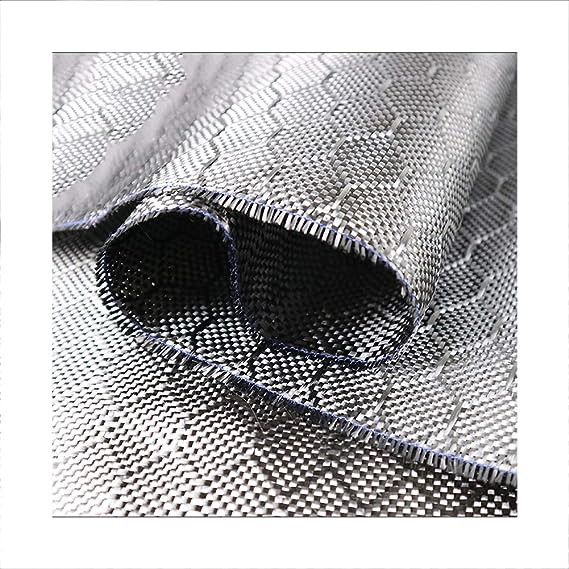
The 3K Carbon Kevlar Fabric Colored combines the strength of carbon fiber with the toughness of Kevlar and comes in various colors. We ensure that the color is evenly distributed across the fabric and that the carbon and Kevlar fibers are uniformly blended. The Hexagonal Carbon Fiber Fabric has a unique hexagonal weaving pattern. We use advanced weaving technology to ensure that the hexagonal pattern is consistent throughout the fabric. The High - Strength 3K Twill Weave Carbon Fiber Prepreg Fabric is pre - impregnated with resin. We ensure that the resin is evenly distributed on the fabric, which is crucial for its performance in applications such as aerospace and automotive.
Conclusion
Ensuring the uniformity of 3k Carbon Fiber Fabrics is a complex but essential task. By carefully controlling the raw materials, using advanced manufacturing techniques, implementing strict quality control measures, and investing in employee training, we can produce high - quality, uniform 3k Carbon Fiber Fabrics. Our commitment to uniformity not only enhances the aesthetic appeal of our products but also ensures their reliable performance in various applications.
If you are interested in our 3k Carbon Fiber Fabrics and would like to discuss your specific requirements, please feel free to contact us for a procurement discussion. We are dedicated to providing you with the best products and services.

References
- "Carbon Fiber Reinforced Composites: Design and Manufacturing" by D. Bhattacharyya
- "Handbook of Carbon Fiber Composites" by S. T. Peters
- Industry standards and guidelines related to carbon fiber fabric production and quality control.
Send Inquiry