




How does stab proof fabric protect against scissors?
Oct 09, 2026
Leave a message
As a supplier of stab proof fabric, I've witnessed firsthand the growing demand for reliable protective materials in various industries. In this blog post, I'll delve into the science behind how stab proof fabric protects against scissors, exploring the materials, construction, and mechanisms at play.
Understanding the Threat: Scissors as a Weapon
Scissors are a common tool that can also be used as a weapon in certain situations. Unlike knives, which typically have a single blade, scissors have two blades that can cut through materials by applying pressure and shearing force. When used as a weapon, scissors can cause serious injuries, including deep cuts, punctures, and lacerations.
In a self - defense or industrial safety context, it's crucial to have a fabric that can withstand the threat posed by scissors. This is where stab proof fabric comes in.
The Materials Used in Stab Proof Fabric
-
Kevlar
Kevlar is a well - known synthetic fiber that is widely used in stab proof and cut - resistant applications. It has an extremely high tensile strength, which means it can resist being pulled apart. The molecular structure of Kevlar consists of long, tightly packed chains of polymers. When a scissor blade attempts to cut through Kevlar fabric, these molecular chains absorb and disperse the energy of the cutting force. The Kevlar Cut - Resistant Woven Fabric is a prime example of a product made from this remarkable material. It provides excellent protection against sharp objects like scissors. -
Ultra - High - Molecular - Weight Polyethylene (UHMWPE)
UHMWPE is another popular material for stab proof fabric. It has a very high strength - to - weight ratio, making it ideal for applications where lightweight protection is required. Similar to Kevlar, UHMWPE fibers are arranged in a way to resist the penetration of sharp objects. The High Performance UHMWPE Cut Resistant Material uses advanced manufacturing techniques to optimize the protective properties of UHMWPE. When a scissor blade comes into contact with UHMWPE fabric, the fibers are able to redistribute the force, preventing the blade from easily cutting through. -
Polyethylene Knitted Structures
The Knitted Polyethylene Cut - resistant Cloth uses a knitted construction method. Knitting the polyethylene fibers creates a flexible yet strong fabric. The knitted pattern allows the fabric to stretch and bend, which is beneficial in real - world applications where the person wearing the protective gear needs to move freely. At the same time, the tight knitting of the fibers provides resistance against the cutting action of scissors. When the scissor blades try to cut through, the knitted structure distributes the force across a larger area, reducing the likelihood of a clean cut.
Construction of Stab Proof Fabric
-
Layered Structures
Many stab proof fabrics are constructed in layers. Each layer serves a specific purpose in enhancing the overall protection. For example, a basic layer might consist of a strong fiber material like Kevlar or UHMWPE. Above or below this layer, there could be additional layers designed to further absorb energy or provide other properties such as fire - retardancy. The Fire - retardant Anti - cutting Fabric is an example where a layer of fire - retardant material is incorporated with the cut - resistant layer. When scissors strike a layered stab proof fabric, each layer absorbs and dissipates a portion of the energy, making it more difficult for the blades to penetrate all the way through. -
Weaving and Bonding Techniques
The way the fibers are woven or bonded together also plays a crucial role in the fabric's ability to resist scissors. Tightly woven fabrics have less space between the fibers, which makes it harder for the scissor blades to find a weak point to cut through. Some advanced stab proof fabrics use special bonding agents to hold the fibers together more securely. This not only increases the fabric's overall strength but also helps in preventing the fibers from being easily separated by the scissor blades.
The Mechanism of Protection Against Scissors
When a pair of scissors is brought into contact with a stab proof fabric, several physical mechanisms come into play.
-
Blunting the Blade
As the scissor blades try to cut through the fabric, the hard and strong fibers in the stab proof material can cause the blade edges to become dull. The abrasiveness of materials like Kevlar and UHMWPE can wear down the sharp edges of the scissors over time. This reduces the cutting efficiency of the scissors, making it more difficult to penetrate deeper into the fabric. -
Energy Absorption
The fabric absorbs the energy of the cutting action. When the scissor blades apply pressure to cut, the fibers in the fabric stretch and deform. This deformation process converts the kinetic energy of the cutting action into potential energy stored in the stretched fibers. The more energy the fabric can absorb, the less likely it is for the scissors to cut through. -
Force Distribution
Stab proof fabric distributes the force applied by the scissor blades over a larger area. Instead of concentrating the force at a single point, the fabric spreads it out. This reduces the pressure at the point of contact between the blades and the fabric. For example, in a knitted or woven fabric, the interconnected fibers transfer the force from the point of impact to neighboring fibers, which helps in preventing the blades from easily slicing through.
Applications of Stab Proof Fabric Against Scissors
-
Law Enforcement and Security
Police officers, security guards, and private investigators often face situations where they might be attacked with scissors or other sharp objects. Wearing stab proof vests or uniforms made from high - quality stab proof fabric can provide them with an extra layer of protection. This allows them to perform their duties more safely, knowing that they are better protected against potential threats.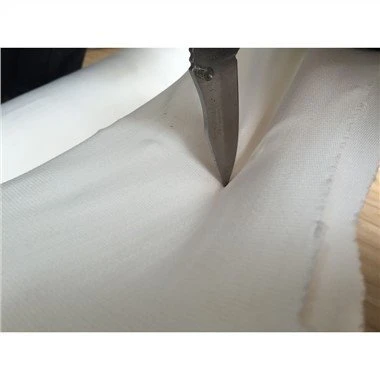

-
Industrial Settings
In industries such as metalworking, woodworking, and glass manufacturing, workers are exposed to sharp tools, including scissors. Wearing protective clothing made from stab proof fabric can prevent serious injuries from accidental cuts. For example, a worker handling metal sheets with scissors is less likely to get cut if they are wearing Fencing Cloth Cut - proof Cloth gloves or aprons. -
Self - Defense
In personal self - defense scenarios, individuals can use stab proof fabric in the form of coats or body armor. This can give them a sense of security and increase their chances of avoiding serious injury in case of an attack with scissors or similar weapons.
Connect for Purchasing
If you're in need of high - quality stab proof fabric for any of these applications or others, I invite you to reach out for a detailed discussion. Our range of products, including the ones mentioned in this blog, is designed to meet the highest standards of protection. Whether you need a small quantity for personal use or a large order for industrial or institutional purposes, we can provide a solution tailored to your specific requirements.
References
- "Advanced Fibers for Protective Textiles" by Carl Chai
- "Handbook of Fiber Chemistry" edited by Menachem Lewin
Send Inquiry