




How does Anti Bite Fabric compare to insect repellents?
Apr 17, 2026
Leave a message
Hey there! As a supplier of Anti Bite Fabric, I often get asked how it stacks up against insect repellents. It's a great question, and today, I'm gonna break it down for you in this blog.
Let's start with the basics. Insect repellents are a well - known solution for keeping bugs at bay. You've probably seen those sprays, lotions, and even wristbands that claim to repel mosquitoes, ticks, and other pesky insects. They've been around for ages and are a staple in many households, especially during the warm months when bugs are everywhere.
On the flip side, Anti Bite Fabric is a relatively new player in the game. It's a special type of fabric that's designed to prevent insects from biting through it. Think of it as a physical barrier between you and those blood - sucking bugs.
Effectiveness
One of the first things people want to know is how effective each option is. Insect repellents work by emitting chemicals that bugs find unpleasant. For example, DEET is a common ingredient in many repellents, and it masks the scents that attract mosquitoes.
However, the effectiveness of insect repellents can vary. Factors like the concentration of the active ingredient, the environment, and how long you've been wearing it can all impact its performance. For instance, if you're sweating a lot or swimming, the repellent might wear off faster. And let's be honest, sometimes bugs just seem to ignore the repellent and still take a nibble.
Anti Bite Fabric, on the other hand, offers a more consistent level of protection. Since it's a physical barrier, as long as the fabric is intact, it will prevent bugs from biting you. There's no need to worry about it wearing off due to sweating or water. Whether you're out hiking, gardening, or just lounging in your backyard, the fabric will keep doing its job.
Safety
Safety is another crucial aspect. Insect repellents, while generally safe when used as directed, can have some drawbacks. Some people may have allergic reactions to the chemicals in repellents, especially DEET. Children and pregnant women sometimes need to be extra cautious when using certain types of repellents.
In contrast, Anti Bite Fabric is a natural and safe alternative. It doesn't rely on chemicals, so there are no concerns about skin irritation or harmful fumes. It's suitable for people of all ages, including kids and pregnant women.
Comfort and Convenience
When it comes to comfort and convenience, both options have their pros and cons. Insect repellents are easy to apply. You can just spray or rub them on your skin and be on your way. However, they can sometimes feel sticky or greasy, and the smell might not be very pleasant.
Anti Bite Fabric comes in a variety of forms, like clothing and nets. It can be very comfortable to wear, especially if it's made from breathable materials. You don't have to worry about reapplying anything, and there's no messy residue. Just put on your Anti Bite Fabric clothing, and you're good to go.
Long - Term Cost
Let's talk about money. Insect repellents are usually affordable, but they're a consumable product. You have to keep buying them, especially if you use them frequently. Over time, the cost can add up.
Anti Bite Fabric, while it might have a higher upfront cost, can be a more cost - effective option in the long run. If you take good care of your Anti Bite Fabric items, they can last for years. You won't have to keep shelling out money every few weeks for more repellent.
Durability
Insect repellents don't have durability as a factor since they're used up over time. Anti Bite Fabric, however, can vary in durability depending on the type.
We offer Kevlar Cut - Resistant Woven Fabric, which is not only anti - bite but also extremely strong and cut - resistant. This makes it a great choice for activities where you might be exposed to rough surfaces or sharp objects.
Our Fire - retardant Anti - cutting Fabric combines anti - bite properties with fire - retardant features. It's ideal for industries where there's a risk of fire and insect exposure, like forestry or certain types of manufacturing.

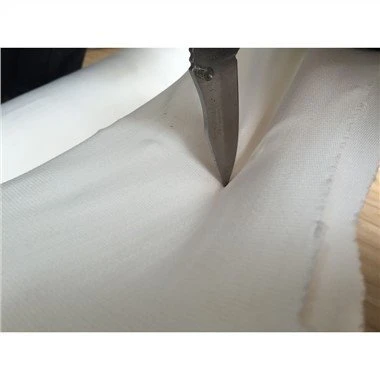
And then there's our Aramid Woven Coated Cut Resistant Fabric, which offers excellent anti - bite protection along with high - level cut resistance. This fabric is well - suited for professional workers in areas prone to insect bites and sharp hazards.
Use Cases
Insect repellents are great for quick, on - the - go protection. If you're just stepping outside for a few minutes, a quick spray of repellent can do the trick. They're also useful for exposed skin areas that aren't covered by clothing.
Anti Bite Fabric is better for longer periods of exposure. If you're going on a long - term camping trip, working in an insect - infested area for hours, or living in a place with a high bug population, Anti Bite Fabric clothing and nets are a much better choice.
Conclusion
So, how does Anti Bite Fabric compare to insect repellents? Both have their strengths, but in many ways, Anti Bite Fabric offers a more reliable, safe, and long - term solution. It's a great alternative for those who want consistent protection without the hassle of reapplying chemicals or dealing with potential side effects.
If you're interested in learning more about our Anti Bite Fabric or are considering making a purchase, feel free to reach out. We're here to help you find the best solution for your insect - protection needs. Whether you're an individual looking for some comfortable bug - free clothing or a business in need of bulk supplies, we've got you covered.
Let's start a conversation about how our Anti Bite Fabric can work for you. Contact me to discuss your requirements, and we can explore the options together.
References
- "Insect Repellents: A Guide to Protection", Centers for Disease Control and Prevention
- "Fabric Technology for Insect Protection", Journal of Textile Science and Engineering
Send Inquiry