


Does cut resistant clothing have a long - lasting cut resistance?
Jan 22, 2026
Leave a message
As a supplier of cut-resistant clothing, I often encounter inquiries about the long - lasting nature of cut resistance in our products. This is a crucial question for our customers, especially those in industries where cut protection is a daily necessity, such as construction, manufacturing, and food processing. In this blog, we will delve into the factors that influence the long - lasting cut resistance of cut - resistant clothing and provide insights into how to maintain and evaluate it.
Understanding the Basics of Cut - Resistant Clothing
Cut - resistant clothing is designed to protect the wearer from cuts, lacerations, and abrasions. The key to its effectiveness lies in the materials used. Common materials include high - performance fibers like ultra - high - molecular - weight polyethylene (UHMWPE), aramid fibers, and stainless - steel mesh. These materials are chosen for their high strength and ability to withstand cutting forces.
For example, UHMWPE is known for its excellent cut resistance and light weight. It has a very high tensile strength, which means it can absorb a large amount of energy before breaking. Aramid fibers, such as Kevlar, are also widely used due to their heat resistance and high tenacity. Stainless - steel mesh provides a physical barrier against sharp objects, making it a popular choice for heavy - duty applications.
Our company offers a variety of cut - resistant materials, such as the Stab Proof Anti Cutting Fabric Material For Cut Resistant Gloves and Recycled Polyester Uhmwpe Waterproof Cut Resistant Fabric. These materials are carefully engineered to provide optimal cut protection.
Factors Affecting Long - Lasting Cut Resistance
1. Quality of Materials
The quality of the materials used in cut - resistant clothing is the most fundamental factor affecting its long - lasting cut resistance. High - quality fibers are more likely to maintain their integrity over time. For instance, if the UHMWPE fibers are of poor quality, they may break down more easily under repeated cutting or abrasion. Our company sources only the highest - grade materials to ensure the durability of our products.
2. Manufacturing Process
The manufacturing process also plays a vital role. Proper weaving, knitting, or laminating techniques are necessary to ensure that the cut - resistant fibers are evenly distributed and firmly bonded together. If the manufacturing process is flawed, the cut - resistant properties of the clothing may be compromised. We use state - of - the - art manufacturing equipment and techniques to ensure the consistency and quality of our Cut Resistant Cloth.
3. Frequency and Intensity of Use
The frequency and intensity of use directly impact the lifespan of cut - resistant clothing. In a high - risk environment where workers are constantly exposed to sharp objects, the clothing will naturally experience more wear and tear. For example, a meat cutter using cut - resistant gloves for hours every day will cause more rapid degradation of the gloves compared to a worker who only uses them occasionally.
4. Maintenance and Care
Proper maintenance and care can significantly extend the cut - resistant lifespan of the clothing. This includes regular cleaning, avoiding exposure to harsh chemicals, and storing the clothing properly. For example, washing cut - resistant clothing in hot water or using abrasive detergents can damage the fibers. We provide detailed care instructions with our products to help customers maintain the cut - resistant properties.
Evaluating the Long - Lasting Cut Resistance
1. Standard Testing Methods
There are several standard testing methods to evaluate the cut resistance of clothing. One of the most commonly used is the ANSI/ISEA 105 standard. This standard measures the amount of force required to cut through a material using a rotating blade. The higher the cut - resistance level (from A1 to A9), the more resistant the material is to cutting.
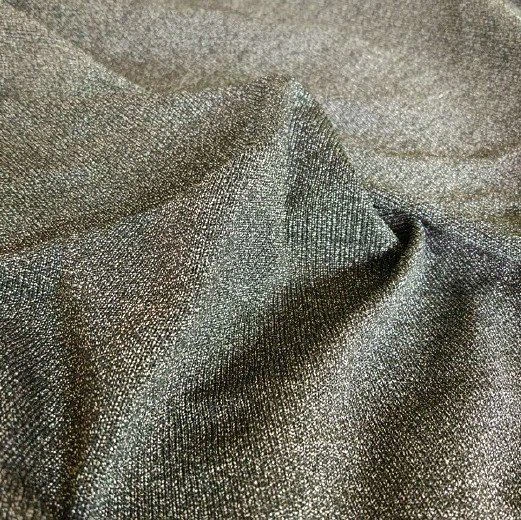

We conduct regular quality control tests on our products to ensure that they meet or exceed the relevant standards. This allows us to guarantee the long - lasting cut resistance of our clothing.
2. Visual Inspection
A simple visual inspection can also provide insights into the condition of cut - resistant clothing. Look for signs of fraying, tearing, or abrasion. If the surface of the material shows significant damage, it may indicate a reduction in cut resistance.
3. Performance Over Time
Monitoring the performance of cut - resistant clothing over time is another effective way to evaluate its long - lasting cut resistance. Workers can provide feedback on whether they feel the clothing is still providing adequate protection. If there are any reports of cuts or near - misses, it may be a sign that the clothing needs to be replaced.
Maintaining the Long - Lasting Cut Resistance
1. Follow Care Instructions
As mentioned earlier, following the care instructions is crucial. Use mild detergents and lukewarm water when cleaning cut - resistant clothing. Avoid using bleach or fabric softeners, as these can damage the fibers.
2. Replace Worn - Out Clothing
It is important to replace cut - resistant clothing as soon as it shows signs of significant wear. Continuing to use worn - out clothing can put the wearer at risk of injury.
3. Train Workers
Proper training of workers on the correct use and care of cut - resistant clothing is essential. Workers should be aware of the limitations of the clothing and how to handle sharp objects safely.
Conclusion
In conclusion, cut - resistant clothing can have a long - lasting cut resistance if the right materials are used, the manufacturing process is of high quality, and proper maintenance and care are provided. As a supplier, we are committed to providing our customers with the highest - quality cut - resistant clothing. Our Stab Proof Anti Cutting Fabric Material For Cut Resistant Gloves, Recycled Polyester Uhmwpe Waterproof Cut Resistant Fabric, and Cut Resistant Cloth are designed to meet the demanding needs of various industries.
If you are interested in purchasing high - quality cut - resistant clothing for your business, we invite you to contact us for a detailed discussion. We can provide you with samples, product specifications, and pricing information. Let us work together to ensure the safety of your workers.
References
- ANSI/ISEA 105 - 2016, Cut Resistance of Hand Protection.
- Various research papers on high - performance fibers and their applications in cut - resistant clothing.
Send Inquiry